5 usos comuns de acessórios de exibição estampados em metal
Acessórios de exibição de estampagem de hardware são peças metálicas feitas através da prensagem ou perfuração de chapas metálicas em formatos com matrizes. Este processo de estampagem de metal cria peças fortes e exatas que duram bem em ambientes movimentados de varejo e exposição. Você encontrará esses acessórios em quase todas as configurações de exibição. Eles servem a cinco propósitos comuns: suportes e estruturas, gabinetes e coberturas, painéis e blindagens, ganchos e pinos, e conectores modulares. Cada tipo tem sua própria função. Alguns sustentam prateleiras e estruturas. Outros protegem equipamentos elétricos ou organizam itens pequenos. Juntos, eles tornam as exibições estáveis, seguras e fáceis de montar. Conhecer esses usos ajuda você a escolher as peças de estampagem certas para o seu próximo projeto.
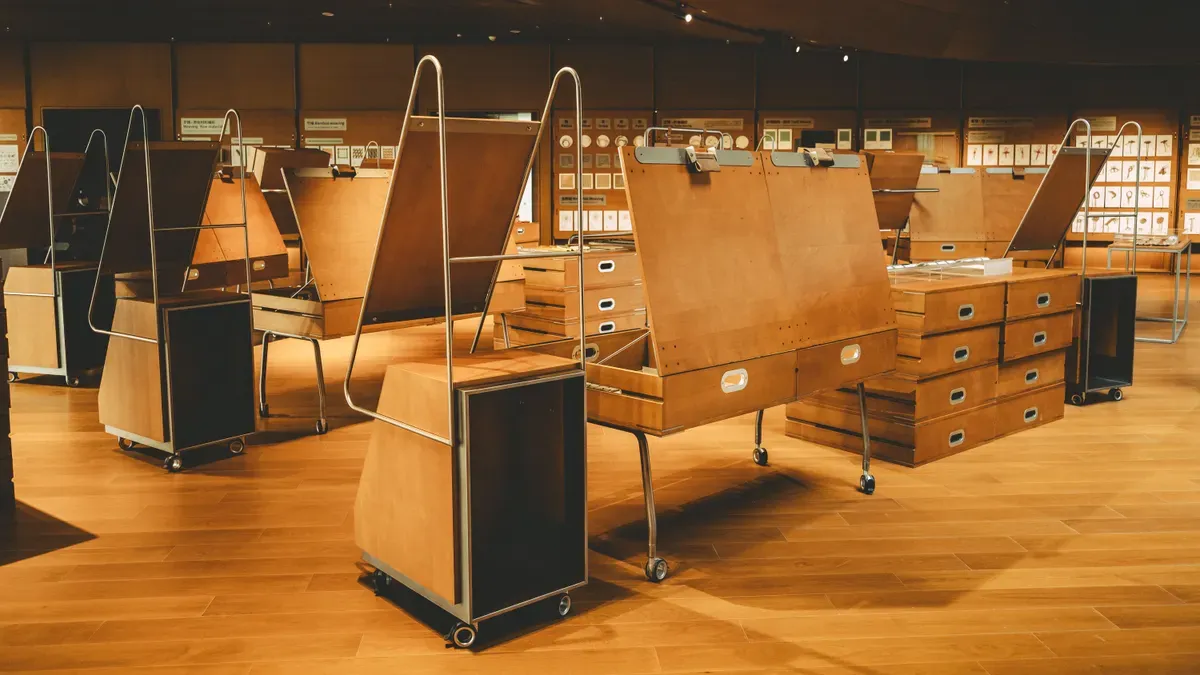
Suportes e estruturas estampados mantêm prateleiras de varejo, painéis de exibição e estruturas de exposição no lugar. Você os encontrará no coração de quase todas as configurações de exibição. Um suporte trava uma prateleira em uma coluna vertical. Um conector de estrutura une dois painéis em um ângulo fixo. Essas peças suportam cargas pesadas sem dobrar ou deslocar.
Suportes estampados de metal estão entre as peças de estampagem de metal mais comuns usadas em exibições. Eles oferecem durabilidade e um design de ajuste de precisão. Um suporte de prateleira em uma loja de varejo sustenta fileiras de produtos dia após dia. Um conector de estrutura em um estande de feira mantém uma parede de fundo reta e estável. Ambos dependem do mesmo processo de estampagem de metal para oferecer resistência e dimensões exatas.
A estampagem de metal personalizada oferece peças com alta precisão e consistência. Cada golpe da matriz produz uma peça idêntica. Você obtém o mesmo ajuste na primeira peça e na décima milésima peça. Isso é importante quando você monta centenas de unidades de exibição.
Muitos processos de estampagem de metal atendem ao trabalho de exibição. Você pode escolher estampagens de metal personalizadas para formatos estranhos ou tolerâncias apertadas. Peças de metal de alta precisão mantêm as estruturas quadradas e as prateleiras niveladas. A estampagem também reduz custos em alto volume. O ferramental dura milhões de ciclos. Peças de estampagem de metal para equipamentos elétricos geralmente compartilham as mesmas linhas. Essa sobreposição oferece mais opções de fornecedores. Você ganha qualidade e precisão sem um preço alto. Essas peças estampadas também resistem à ferrugem quando você escolhe o revestimento certo. Sua exibição então parece limpa por anos.
Gabinetes e coberturas estampados mantêm unidades de fonte de alimentação, exibições eletrônicas e equipamentos de comunicação seguros. Esses acessórios de exibição de estampagem de hardware criam uma carapaça protetora ao redor de eletrônicos sensíveis. Eles bloqueiam poeira, impactos e interferência eletromagnética. Você os vê dentro de sinalizações digitais e quiosques interativos. O gabinete mantém as peças eletrônicas seguras. A cobertura protege as placas de circuito contra sujeira. A estampagem de metal personalizada permite que você molde gabinetes com orifícios exatos para ventilação e portas. Você pode adicionar abas de montagem diretamente no design. Muitos gabinetes também funcionam como dissipadores de calor. O metal retira o calor das peças. O aço funciona para configurações de serviço pesado. O alumínio é mais leve. O cobre e as ligas de cobre lidam com trabalhos elétricos de alta frequência onde a condutividade é o que mais importa. O processo de estampagem de metal cria peças com espessura de parede uniforme. Essa precisão é importante quando uma cobertura deve se ajustar perfeitamente a um gabinete.
Peças de estampagem de metal para indústrias elétricas realizam trabalhos importantes além da simples proteção. Elas atuam como blindagens eletromagnéticas que impedem a interferência de radiofrequência. Elas funcionam como dissipadores de calor que retiram o calor de processadores e módulos de potência. Esses são usos principais da estampagem de metal nas indústrias elétricas. Os benefícios de usar a estampagem de metal para peças elétricas incluem qualidade constante e tolerâncias apertadas. A fabricação de peças elétricas precisa desse nível de precisão. Uma cobertura de blindagem deve se ajustar de forma plana contra uma placa. Um dissipador de calor deve tocar totalmente um chip. A estampagem em matriz progressiva e o estampagem profunda são processos de estampagem de metal usados para fabricar peças elétricas. A estampagem em matriz progressiva funciona bem para peças com muitos recursos. A estampagem profunda cria gabinetes sem costura a partir de uma única chapa. Os materiais frequentemente usados na estampagem de metal elétrica incluem aço galvanizado para resistência à ferrugem, alumínio para leveza e controle de calor, e cobre para excelente condutividade. Na indústria elétrica, peças estampadas economizam peso sem perder resistência. Estampagens de metal personalizadas permitem que você projete gabinetes que se ajustam ao seu layout. Estampagem de metal personalizada reduz a usinagem extra. Essas peças estampadas de metal lidam com o uso diário no varejo. O setor de fabricação elétrica depende delas para peças eletrônicas robustas. A indústria elétrica valoriza essas soluções de estampagem por sua qualidade constante. Quer você construa terminais de ponto de venda ou grandes paredes de vídeo, gabinetes estampados oferecem às suas exibições eletrônicas a proteção forte de que precisam.
Painéis e blindagens estampados têm um grande trabalho em exibições eletrônicas. Eles bloqueiam a interferência eletromagnética que pode atrapalhar os sinais. Eles também retiram o calor de peças elétricas sensíveis. Você encontrará essas peças dentro de equipamentos de comunicação, sinalizações digitais e painéis de controle. O processo de estampagem de metal molda chapas finas em coberturas e barreiras exatas. Essas peças estampadas se ajustam firmemente ao redor das placas de circuito. Esse ajuste firme impede que sinais perdidos escapem ou entrem. A dissipação de calor funciona da mesma maneira. O metal absorve o calor das peças elétricas e o espalha por uma área maior. O fluxo de ar então retira esse calor. Alumínio, cobre e ligas de cobre são ótimos para isso. Eles movem o calor muito melhor do que o aço. Sua exibição permanece fria e confiável mesmo durante longas horas de funcionamento.
A estampagem de metal personalizada atende à crescente necessidade de acessórios de exibição. Peças de fabricação de chapas metálicas personalizadas agora incluem peças de estampagem e peças de hardware. Os designers querem formatos exatos que se ajustem aos seus gabinetes especiais. Estampagens de metal personalizadas oferecem alta precisão e os mesmos resultados sempre em cada ciclo de produção. Você obtém peças que se encaixam sem limagem ou ajuste extra. Estilhaços eletrônicos condutores e clipes de fixação mostram isso claramente. Essas pequenas peças estampadas de metal são encontradas em exibições de equipamentos de comunicação. O estilhaço cria um contato elétrico flexível entre superfícies. Clipes de fixação mantêm placas e blindagens no lugar. Ambos usam estampagem de metal personalizada para seus formatos complexos. Os benefícios de usar a estampagem de metal para peças elétricas incluem baixo custo ao fabricar muitas peças e qualidade constante. Vários tipos de processos de estampagem de metal na fabricação de peças elétricas atendem a essas necessidades. A estampagem em matriz progressiva lida com grandes quantidades. A estampagem profunda cria coberturas sem costuras. Matrizes compostas unem muitos passos em um único golpe de prensa. Esses processos de estampagem de metal mantêm a fabricação elétrica eficiente. Eles também apoiam os principais usos da estampagem de metal nas indústrias elétricas. Os materiais frequentemente usados na estampagem de metal elétrica incluem aço galvanizado, alumínio e cobre. Cada material tem suas próprias forças. O aço galvanizado resiste à ferrugem. O alumínio economiza peso. O cobre oferece a melhor condutividade. Sua escolha depende do uso elétrico e do ambiente. Acessórios de exibição de estampagem de hardware provenientes da estampagem de metal elétrica oferecem painéis e blindagens fortes que protegem e resfriam suas exibições eletrônicas.
Ganchos e pinos estampados ajudam você a organizar itens pequenos de varejo em exibições de painéis perfurados e painéis de ripas. Você empurra um gancho através de um orifício. O gancho trava no lugar e segura produtos como ferramentas, acessórios e produtos embalados. Um pino faz o mesmo trabalho para itens mais leves. Esses acessórios de exibição de estampagem de hardware mantêm sua mercadoria organizada e fácil de navegar. Os compradores podem pegar o que precisam sem ter que procurar em uma pilha bagunçada.
A estampagem de metal confere a estas peças grande resistência e uma forma consistente. Cada gancho sai com o mesmo tamanho e ângulo. Você obtém uma aparência uniforme em toda a sua parede de exposição. Um gancho fraco dobra sob carga. Um gancho estampado mantém a sua forma. O processo de estampagem de metal também permite adicionar um revestimento protetor. A galvanização impede a ferrugem. O revestimento em pó adiciona cor. Os seus ganchos permanecem limpos e fortes após anos de uso diário.
Os sistemas de pegboard e slatwall dependem de ganchos e pinos resistentes. Um pegboard usa pequenos orifícios redondos. Um slatwall usa ranhuras horizontais. Ambos precisam de peças estampadas em metal que se encaixem bem e se mantenham firmes. A estampagem permite fazer ganchos com diferentes comprimentos e espessuras. Você pode combinar o gancho com o peso do produto. Ferramentas pesadas precisam de um gancho de aço espesso. Embalagens leves funcionam bem com um mais fino.
A abertura de roscas (tapping) adiciona ainda mais funcionalidade a estas peças. Um orifício com rosca permite aparafusar um parafuso ou fixar ferragens extras. Você pode adicionar um porta-etiquetas, uma pequena prateleira ou um clipe de segurança. Isso transforma um gancho simples numa ferramenta de exposição flexível. A estampagem de metal personalizada torna estas características possíveis sem maquinação extra. Vários processos de estampagem de metal podem formar o gancho, perfurar o orifício e cortar as roscas numa única operação. As estampagens de metal personalizadas dão-lhe um controlo exato sobre cada característica. Você poupa tempo e dinheiro na montagem. Estes componentes funcionam em lojas de retalho, oficinas e stands de feiras. Até as lojas de material elétrico usam-nos para pendurar cabos e peças pequenas. A estampagem de metal mantém a sua exposição organizada e os seus produtos fáceis de alcançar.
Os conectores modulares estampados fixam as peças de exposição umas às outras. Estas peças estampadas em metal fazem ligações fortes entre itens separados. Você empurra um conector para dentro de uma ranhura. Ele mantém-se firme sem parafusos ou cavilhas. Isto permite montar as coisas de forma rápida e fácil.
O processo de estampagem de metal forma conectores com alinhamento exato. Cada peça é igual à seguinte. Você obtém sempre um ajuste perfeito. A estampagem de metal personalizada permite-lhe fazer conectores para os seus próprios sistemas de exposição. Pode incluir abas de bloqueio ou pinos de alinhamento. Estes acréscimos mantêm a sua exposição forte e simples de montar. A estampagem mantém cada tamanho dentro de limites muito pequenos. A sua estrutura mantém-se reta. Os seus painéis alinham-se corretamente.
Estas peças estampadas em metal funcionam com muitos materiais de exposição. Pode unir estruturas de metal a painéis de madeira. O design do conector adapta-se a cada situação. Esta flexibilidade provém de um design de estampagem inteligente e da seleção de materiais. Diferentes espessuras funcionam para diferentes pesos. O aço mais espesso suporta painéis mais pesados.
Os conectores modulares tornam os stands de feiras flexíveis. Pode alterar o layout sem comprar peças novas. Isto poupa tempo e dinheiro. As estampagens de metal personalizadas criam conectores em muitas formas e tamanhos. Você escolhe a forma que melhor funciona para o seu sistema de exposição.
A estampagem de metal faz conectores de aço resistente. O aço não dobra nem se desgasta facilmente. Você obtém peças que duram muito tempo. Cada conector estampado suporta o peso sem quebrar. A estampagem mantém os tamanhos muito exatos. Os seus painéis de exposição alinham-se perfeitamente de cada vez. Não precisa de adicionar calços ou fazer alterações durante a montagem.
Estes conectores são peças de alta qualidade feitas com métodos eficientes. A estampagem faz milhares de peças idênticas. Você poupa dinheiro em cada uma. A mesma forma acelera a montagem. A sua equipa não precisa de ajustar tanto as peças. Esta consistência ajuda cada peça que conecta. Todos os conectores encaixam da mesma forma.
Os invólucros de ecrãs digitais também usam estes conectores estampados. O design modular funciona para muitos usos diferentes. Você reutiliza conectores de uma configuração para outra. Isto poupa espaço de armazenamento e reduz o desperdício.
A estampagem de metal personalizada também permite adicionar a marca. Pode colocar logótipos da empresa nos seus conectores. O processo de estampagem pressiona estes detalhes diretamente no metal. As suas exposições parecem profissionais e coordenadas. Novos métodos de estampagem criam formas de conectores melhores a cada ano. Você obtém uma montagem mais rápida e juntas mais fortes com novos designs. A indústria de estampagem continua a fazer com que os conectores funcionem melhor. Cada nova versão oferece características melhoradas.
Os acessórios de exposição de estampagem de ferragens resolvem cinco problemas de exposição. Suportes e estruturas seguram prateleiras. Invólucros e coberturas protegem expositores elétricos. Painéis e blindagens bloqueiam interferências e dissipam calor. Ganchos e pinos organizam itens. Conectores modulares unem peças.
Cada acessório provém da estampagem de metal. Esse processo de estampagem fornece peças duráveis, económicas e versáteis. Os benefícios de usar a estampagem de metal para componentes elétricos incluem blindagem e controlo de calor. Quiosques elétricos, sinais elétricos e painéis de controlo elétrico dependem de peças elétricas estampadas. A estampagem mantém o equipamento elétrico fresco. A estampagem mantém os painéis elétricos firmes.
Considere estes componentes para a sua próxima exposição. A estampagem de metal confere-lhe resistência. A estampagem poupa dinheiro. A estampagem dura. Escolha a estampagem de metal para a sua atualização elétrica. As configurações elétricas beneficiam.
O aço galvanizado evita a ferrugem. O alumínio é leve. O cobre conduz eletricidade muito bem. Você escolhe o material certo para as suas peças elétricas. O processo de estampagem de metal molda cada material com cuidado.
Os usos principais da estampagem de metal nas indústrias elétricas incluem coberturas de blindagem e dissipadores de calor. A estampagem faz estas peças. O processo de estampagem cria formas exatas. As suas exposições continuam a funcionar bem. Estas peças estampadas arrefecem e protegem os componentes elétricos.
A estampagem progressiva (progressive die) funciona em peças complexas. O embutimento profundo (deep drawing) faz coberturas sem costuras. Matrizes compostas (compound dies) unem etapas. Estes tipos dão-lhe componentes de exposição que permanecem iguais. Cada processo de estampagem adapta-se a diferentes necessidades elétricas.
Sim. Pode usar conectores estampados novamente para diferentes configurações. A estampagem de metal mantém os encaixes iguais através do processo de estampagem. Estes componentes estampados mantêm bem a sua forma. Isto poupa dinheiro em novos componentes elétricos. Você obtém um longo uso dos seus componentes de exposição.
Categorias
último blog
 33#Building Huli Industrial Zones, Meixi Road, Xike Town, Tong'an Area, Xiamen,China


© direito autoral: 2026 Jiaxin (Xiamen) Precise Metal Co.,Ltd. Todos os direitos reservados

IPv6 rede suportada
Digitalize para o wechat

 português