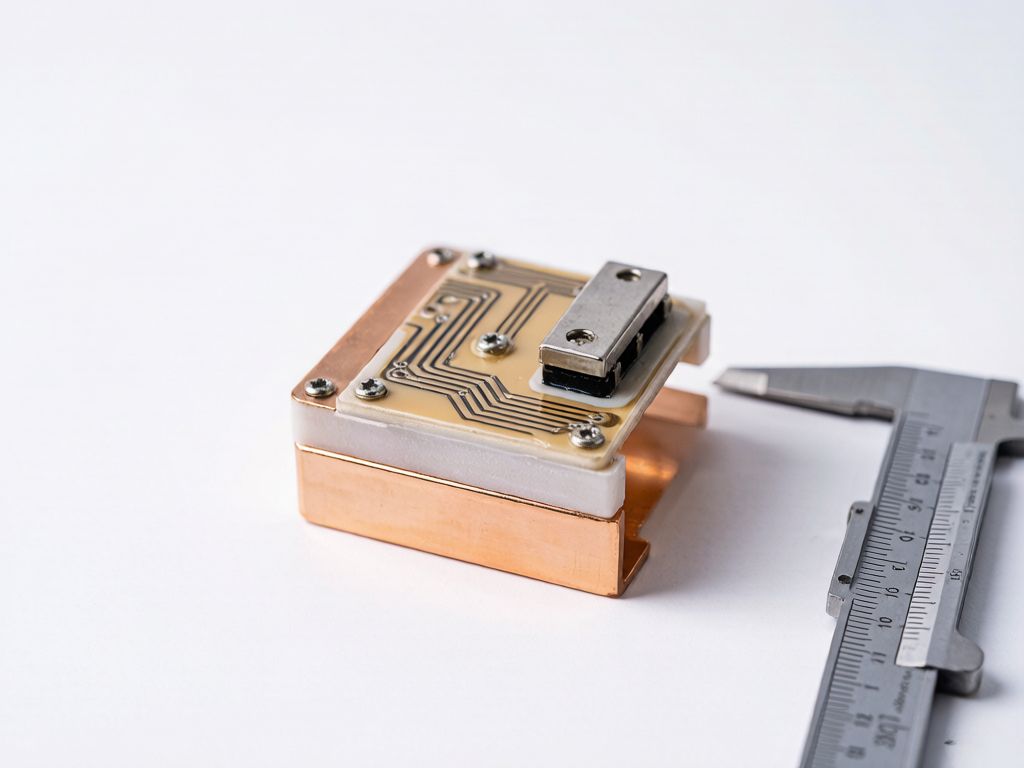
Por que a barra coletora é a espinha dorsal dos sistemas de energia modernos
Nas últimas duas décadas, vimos a nova indústria de energia crescer de forma explosiva. Todos — de engenheiros a investidores — adoram falar sobre células de bateria. Discutimos química do cátodo, vida útil de ciclos e densidade energética. É o lado glamouroso do negócio.
Mas se você perguntar a qualquer pessoa no chão de fábrica — ou a mim, depois de mais de 20 anos “brincando com cobre” — diremos a mesma coisa: a verdadeira confiabilidade de um conjunto de baterias não começa com a célula; começa com o barramento.
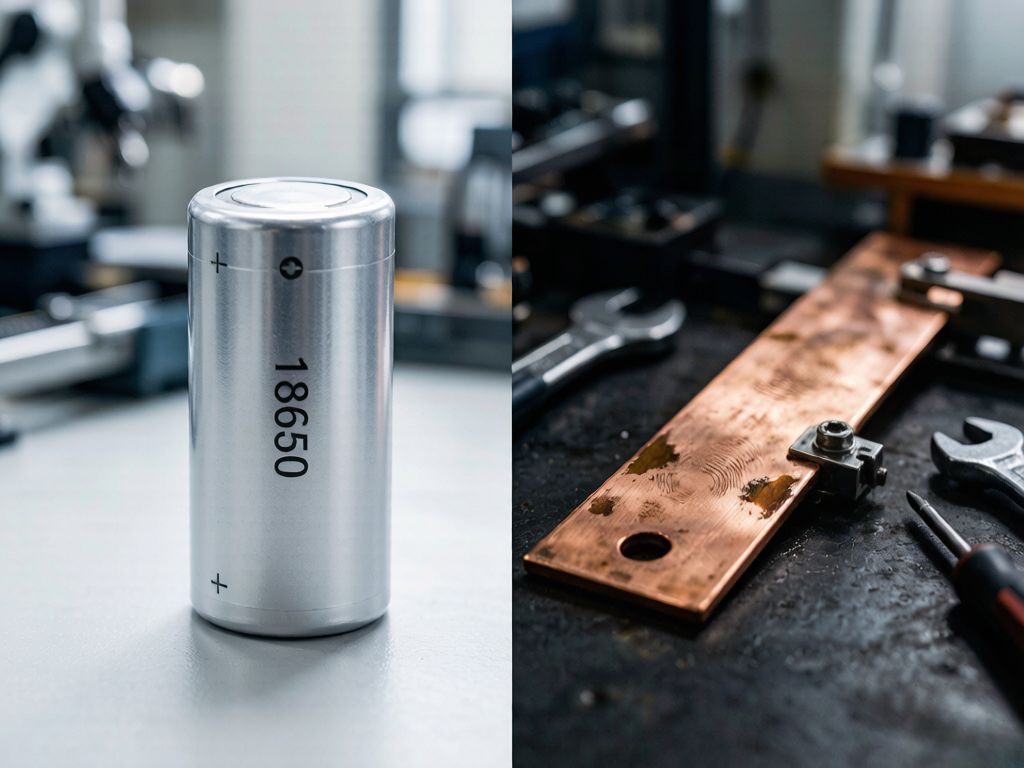
O Gargalo Oculto
É fácil ignorar uma tira de cobre. Mas se o barramento não estiver correto, toda aquela sofisticada densidade energética se transforma em calor desperdiçado. No mundo das plataformas de veículos elétricos de 800V e sistemas de 1500V, a margem para erros desapareceu.
Aprendemos cedo que você não pode simplesmente cortar cobre e considerar o trabalho concluído. É preciso pensar em como ele se comporta sob estresse.
Rígido vs. Flexível: Lições do Campo
Uma das maiores mudanças que vimos é a transição para barramentos flexíveis laminados.
Nos primeiros dias, todos usavam barras de cobre maciço. Elas parecem resistentes, mas têm uma falha fatal: acúmulo de tensão. Quando um veículo elétrico passa por um buraco ou um contêiner de armazenamento se desloca durante o transporte, uma barra rígida não se dobra; ela transfere esse impacto diretamente para o terminal da bateria. É assim que surgem microfraturas e vazamentos.
É por isso que reforçamos nossa aposta na soldagem por difusão molecular. Diferentemente da rebitagem ou brasagem tradicionais, esse processo une a folha de cobre em nível molecular. Ele cria uma conexão contínua que suporta altas correntes enquanto funciona como um amortecedor de choques. Ela se dobra para que a bateria não precise fazê-lo.
O Fim do "Barato"
Aqui está uma verificação da realidade para as equipes de compras: a era de comprar o barramento mais barato acabou.
Vimos muitos projetos falharem porque alguém economizou US$ 0,50 em uma peça que não suportava os amperes ou falhou em um teste de névoa salina. Hoje, nossos clientes — os mais inteligentes — perguntam sobre a espessura do revestimento de níquel e relatórios de testes de vibração antes mesmo de perguntar sobre o preço. E, sinceramente? Preferimos assim. Isso significa que estamos tendo uma conversa sobre qualidade, não apenas sobre custo.
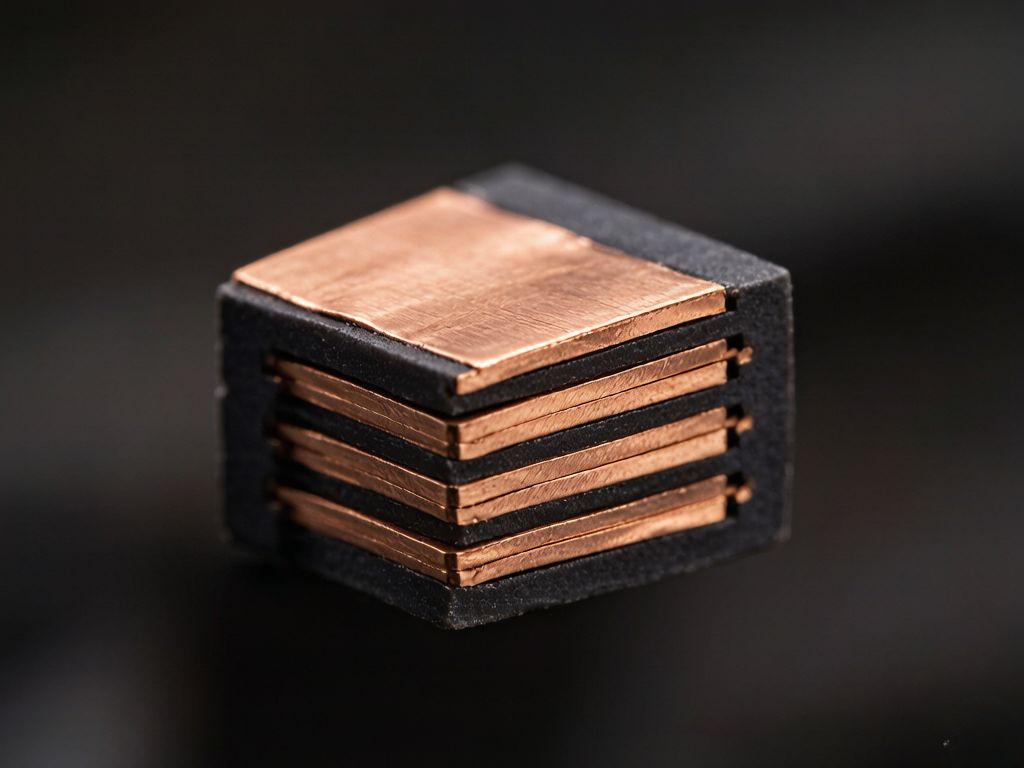
Integração: Fazendo Mais com Menos
O espaço é sempre um recurso valioso dentro de um conjunto de baterias. É por isso que avançamos fortemente em Sistemas Integrados de Contato de Células (CCS). Ao laminar o FPC de aquisição de sinais e os sensores de temperatura diretamente no barramento, ajudamos nossos clientes a reduzir a quantidade de fiação solta. Isso diminui o tempo de montagem na linha e elimina muitos erros humanos do processo. Menos complicações com fios significam maior confiabilidade em campo.
Projetado para os Extremos
Seja a umidade de um parque eólico costeiro ou as variações de temperatura no compartimento de baterias de um caminhão elétrico, projetamos nossas peças para durar. Usamos cobre T2 de alta pureza e isolamento livre de halogênios. Por quê? Porque quando você lida com invernos de -40°C ou com um compartimento de baterias atingindo 150°C no verão, não há espaço para algo que seja apenas 'bom o suficiente
Considerações Finais
No fim das contas, um barramento não é apenas uma peça de metal; é o sistema vascular da sua solução de energia. Se o sangue não estiver fluindo suavemente, nada mais importa.
Se você está trabalhando em um novo projeto e enfrentando restrições térmicas ou de espaço, não hesite em entrar em contato. Provavelmente já vimos esse problema antes. Mesmo que não possamos ajudar, teremos prazer em indicar a direção certa.
Categorias
último blog
 33#Building Huli Industrial Zones, Meixi Road, Xike Town, Tong'an Area, Xiamen,China


© direito autoral: 2026 Jiaxin (Xiamen) Precise Metal Co.,Ltd. Todos os direitos reservados

IPv6 rede suportada
Digitalize para o wechat

 português